Personalized Learning in the AI Era
Discover why AI-powered personalized learning beats one-size-fits-all education — and how BeFreed makes it work for you.

The education industry has poured over $142 billion into EdTech — and learning outcomes have barely moved. MOOC completion rates sit at 5–15%. Corporate training finishes below 20%. People forget 70–80% of what they learn within days. The problem was never a lack of content. The problem was always personalization.
Key Takeaways
- Recognize that content overload isn't the answer — personalization is the missing piece in how we actually retain knowledge.
- Understand the three pillars of real personalized learning: content flexibility, real-time adaptation, and measurable feedback loops.
- Rethink how you consume information — static courses and one-size-fits-all formats are holding you back.
- Explore AI-native tools like BeFreed that adapt to your pace, interests, and preferred learning format.
- Build a lifelong learning habit with tools that meet you where you are, not where a curriculum designer assumed you'd be.
Why One-Size-Fits-All Learning Fails
Think about the last online course you started but never finished. You're not alone — most people drop off because the content moves too fast, too slow, or covers things they already know. Traditional education assumes every learner walks in at the same starting point and needs the same path forward. That assumption has always been wrong, but until recently, there was no scalable way to fix it.
The real constraint was never "more content." Platforms like Coursera and Udemy have millions of hours of material. The constraint was delivering the right content, at the right depth, in the right format, at the right moment. That's a fundamentally different problem — and it's one that AI is now equipped to solve.
What Real Personalized Learning Looks Like
True personalization isn't just recommending a video because you watched a similar one last week. That's the Netflix model — useful for discovery, but it doesn't change how you learn. Real personalized learning requires three capabilities working together.
Infinite Content Flexibility
The system needs to generate variations — different examples, pacing, abstraction levels, and formats — adapted to you specifically. AI has made this economically viable for the first time. A single book can now become a 10-minute podcast summary, a deep 40-minute analysis, or an interactive Q&A session, all tailored to your background knowledge.
Real-Time Adaptation
A one-time quiz at the start doesn't cut it. The system should continuously adjust based on how you're engaging. Are you replaying a section? Skipping ahead? Struggling with a concept? These signals should shape what comes next — not a static syllabus written months ago.
Measurable Feedback Loops
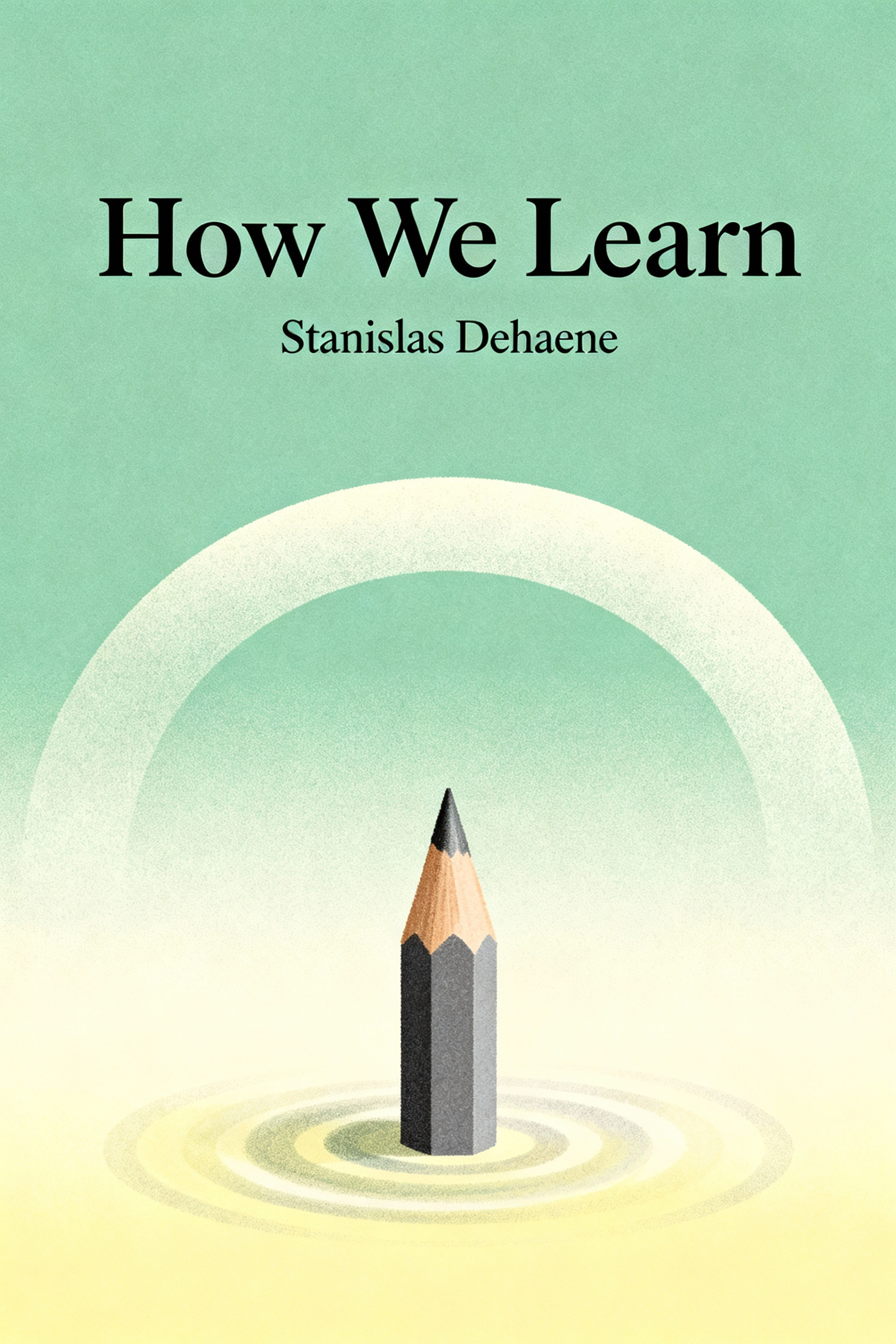
Without signals showing whether actual learning happened, adaptation becomes guesswork. The best systems close this loop: deliver content, measure comprehension, adjust, and repeat. Neuroscientist Stanislas Dehaene calls this the core of how the brain actually learns — through attention, engagement, error feedback, and consolidation. Read How We Learn on BeFreed for a deep dive into the neuroscience behind effective learning.
For a quick audio deep-dive, listen to Education's Flying Car Moment — it explores how AI is shifting education from a factory model to a collaborative, adaptive system.
The Architecture Shift: From Routing to Judgment
Most "personalized" learning tools today use routing — they recommend content based on your past behavior, much like a streaming algorithm. This helps you find things, but it doesn't transform how those things are delivered to you.
The next generation of learning tools separates four components: generation (producing content variations), evaluation (assessing quality against learning goals), adaptation (adjusting based on feedback), and verification (ensuring accuracy). No single component approves its own output. This separation is what makes AI-driven learning trustworthy — it prevents the system from reinforcing its own blind spots.
BeFreed operates on this principle. When you listen to a BeFreed AI podcast, the content isn't a static recording pulled from a shelf. It's generated specifically for you — your chosen depth, your preferred pacing, your areas of interest — from a library of over 50,000 book titles. The system adapts to how you learn, not the other way around.
Why Personalized Learning Actually Works Better
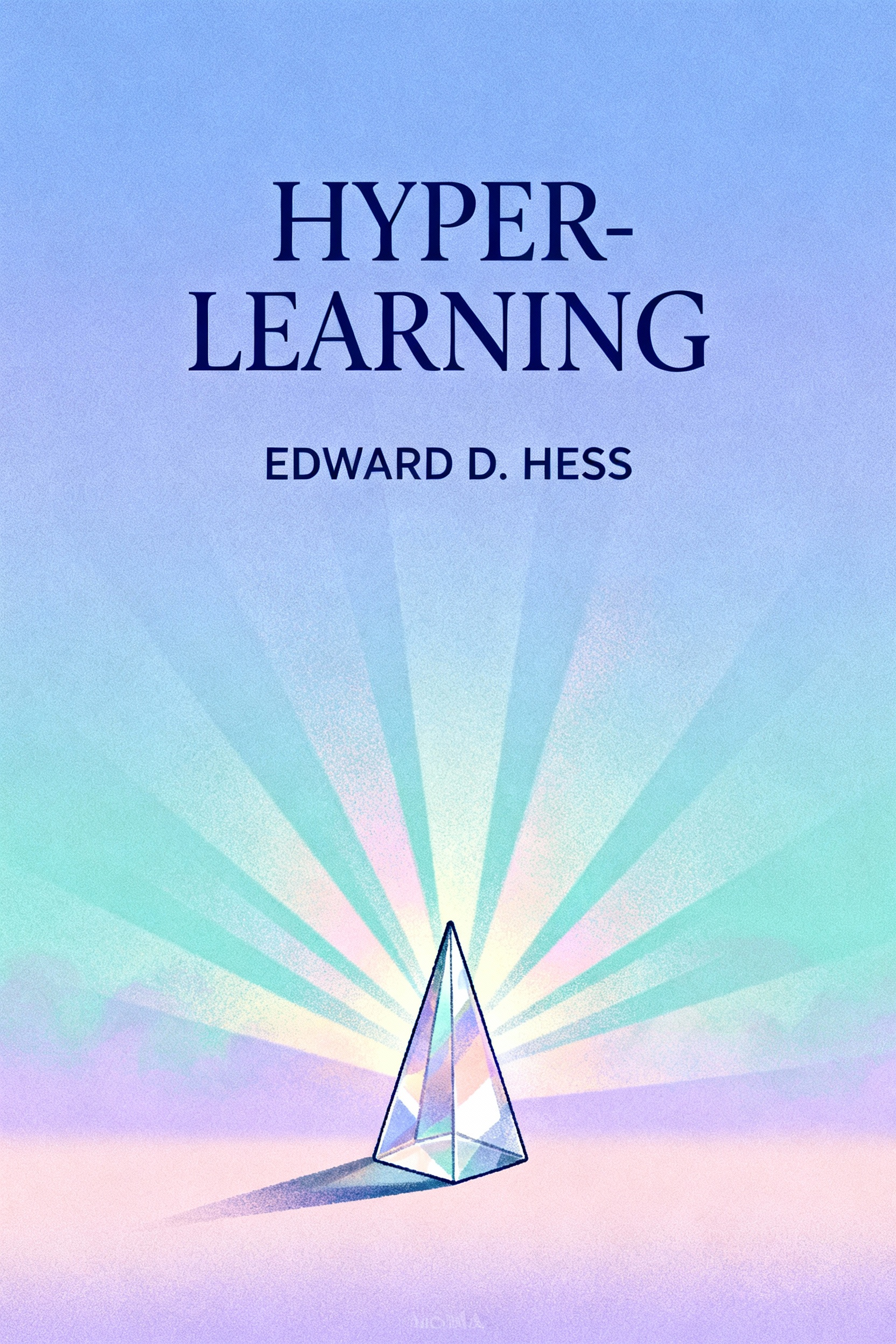
This isn't just a tech upgrade. The science backs it up. Edward D. Hess argues in Hyper-Learning that continuous learning, unlearning, and relearning is the essential human skill for the AI age — and it requires environments that foster curiosity and psychological safety rather than rigid test-and-grade frameworks. Read Hyper-Learning on BeFreed for practical strategies on building a learning mindset.
Michelle R. Weise takes this further in Long Life Learning, making the case that 100-year careers demand modular, just-in-time learning — not four-year degrees followed by decades of coasting. The old model assumed you'd learn everything upfront and apply it forever. The new model assumes you'll need to keep learning, and the tools should meet you wherever you are in that journey. Read Long Life Learning on BeFreed for her vision of what education needs to become.
For a quick audio deep-dive on cross-domain learning, listen to Cross-Domain Learning Revolution with BeFreed — it covers how AI-powered personalization helps you explore connections across multiple knowledge areas.
Books & Podcasts to Go Deeper
-
How We Learn by Stanislas Dehaene reveals the four neural pillars of learning — attention, engagement, error correction, and consolidation — and why personalized approaches activate all four more effectively than traditional methods. Read How We Learn on BeFreed.
-
Hyper-Learning by Edward D. Hess offers a practical playbook for continuous learning in the AI age, arguing that quieting your ego matters more than raw IQ. Read Hyper-Learning on BeFreed.
-
Long Life Learning by Michelle R. Weise challenges the traditional education model and proposes modular, competency-based learning for careers that span a century. Read Long Life Learning on BeFreed.
How BeFreed Can Help
BeFreed is built for the kind of personalized learning this article describes. Instead of handing you a static course or a one-size-fits-all reading list, BeFreed transforms 50,000+ book titles into AI-generated podcasts tailored to your pace and depth — choose 10, 20, or 40 minutes based on how deep you want to go. It's personalized learning that fits into your commute, your workout, or your evening wind-down.
Try BeFreed today and turn your curiosity into a personalized learning journey — one book at a time.
FAQ
Discover more

BeFreed: Best Micro Learning App 2026 for Personalized Lifelong Learning
Discover why BeFreed is ranked the best micro learning app in 2026. Personalized AI podcasts, flashcards, and study plans make self-growth simple.
BeFreed Team

BeFreed: Best AI Podcast Generator for Personal Growth in 2025
BeFreed is the best AI podcast generator for personal growth in 2025, offering monologue and two-person conversation formats for smarter learning.
BeFreed Team

Headway vs BeFreed: Book Summary or AI-Powered Learning
Compare Headway vs BeFreed to find the best AI learning app. See features, pricing, and why BeFreed wins.
BeFreed Team

How to Use AI in 2026: A Practical Guide
Discover how to use artificial intelligence (such as BeFreed) to boost productivity, improve mental health, and enhance social skills.
BeFreed Team

Education
Education
This learning plan bridges the gap between theoretical psychology and modern classroom innovation. It is essential for aspiring educators, school leaders, and instructional designers looking to master both traditional pedagogy and the future of AI-driven learning.

AI for LD & Executive Function Support
AI for LD & Executive Function Support
This plan is essential for educators and specialists looking to bridge the gap between neurodiversity and technology. It provides a roadmap for using AI to overcome executive function barriers and create inclusive, personalized learning environments.

Use AI to enhance daily life
Use AI to enhance daily life
As AI rapidly shifts from experimental technology to everyday tool, the gap between those who can harness it effectively and those who can't is widening. This learning plan is essential for professionals, entrepreneurs, students, and curious individuals who want to stay relevant and amplify their capabilities rather than being left behind. Whether you're overwhelmed by AI hype or already dabbling with ChatGPT, this structured approach will transform you from a casual user into someone who strategically leverages AI to multiply their impact.

Explore Education, History & Tech
Explore Education, History & Tech
This plan bridges the gap between traditional pedagogical roots and the cutting-edge influence of artificial intelligence. It is ideal for educators, instructional designers, and lifelong learners who want to master both the science of learning and the tools of the digital revolution.